
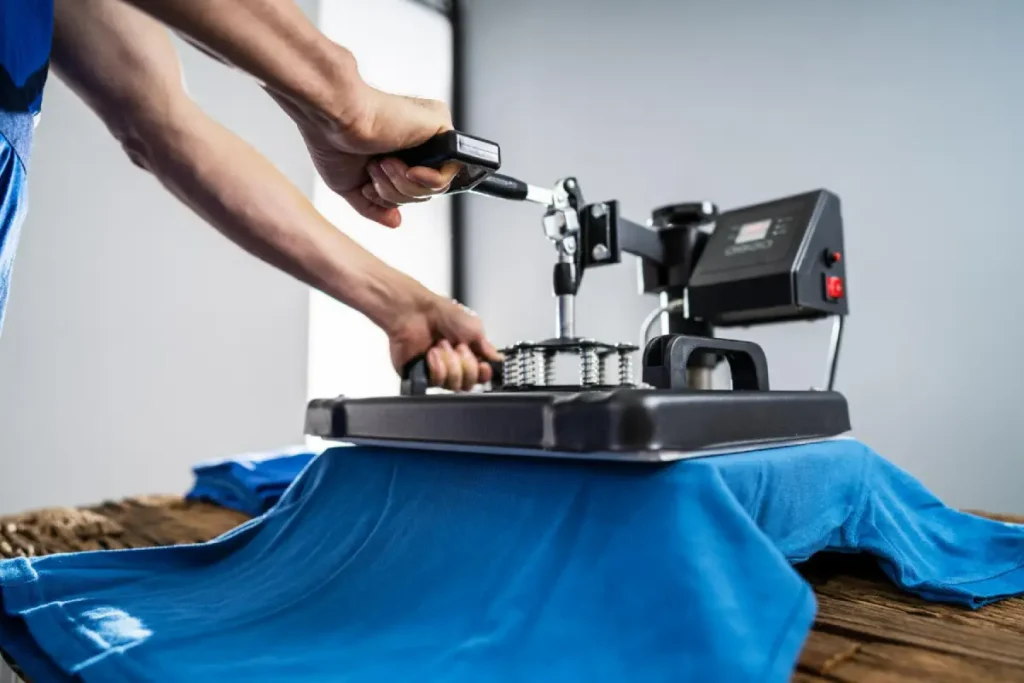
The apparel decoration landscape has undergone a radical transformation. Where creators once relied on limited-color screen printing or brittle vinyl transfers, the modern dtf ecosystem now offers a high-fidelity, full-color solution that is arguably the most versatile tool for the independent brand. Yet, there is a clear divide in the industry: those who use this technology as a shortcut, and those who use it as a manufacturing foundation. To reach the premium retail market, you must transition from a “print shop” mentality to that of an “apparel engineering firm.”
A retail-ready garment is not just a carrier for a design; it is a unified product. When you integrate professional dtf transfers, you are essentially fusing a high-performance polymer to a textile substrate. If you lack mastery over the mechanics of that bond, your brand’s reputation rests on shaky ground. At Harwin, we advocate for a philosophy of “Standardized Precision”—where your output consistency is governed by data, not the unpredictable “feel” of a heat press operator.
The Technical Architecture of a Superior Bond
Most print failures—such as delamination, micro-cracking, or premature peeling—are the result of a “thermal mismatch” between the transfer and the garment fiber. To achieve professional-grade results, you must standardize your production environment.
- Moisture Displacement: Textile fibers are naturally hygroscopic. A 10-second pre-press is not just a suggestion; it is a structural necessity to remove steam, which would otherwise act as a microscopic barrier between the adhesive and the fabric weave.
- Force-Pressure Parity: Adhesion is a function of pressure, not just heat. A digital pressure gauge allows you to standardize your PSI, ensuring that even your largest prints receive consistent force across every square inch of the platen.
- The Cooling Threshold: The phase-change from molten adhesive to a locked solid occurs as the transfer cools to room temperature. Rushing this step is the primary cause of “edge-lifting.”
Supply Chain Velocity: The “Near-Me” Advantage
Growth-oriented brands cannot afford the lead-time risks of a bloated supply chain. Searching for dtf transfers near me is the most practical step toward building a “just-in-time” production model. By collaborating with a technically advanced regional print provider, you eliminate the overhead of warehouse inventory and gain the agility to pivot your design catalog in response to weekly sales trends.
This proximity also turns your supplier into a technical consultant. Whether you are experimenting with specialty matte-finish powders or testing high-stretch adhesive additives for performance athletic wear, your regional partner provides the R&D support that distant mass-market printers simply cannot. Harwin encourages this strategic partnership model as it allows you to maintain a lean, high-margin business while outsourcing the technical complexity of large-scale printing.
Data-Driven Quality Governance
Scaling a brand requires the total elimination of “best-guess” production. To transition from a boutique operation to a scalable enterprise, you must codify your knowledge into a Technical Production Ledger. This document acts as the definitive guide for your team, containing the specific thermal profiles, PSI requirements, and cooling durations for every textile SKU you carry—from heavy-weight organic cottons to synthetic blends.
Beyond standardization, you must implement a “Destructive Stress Audit.” Every batch should have a sample subjected to industrial-grade, high-agitation laundry testing. When you can provide customers with empirical proof of your durability, you justify premium pricing and significantly reduce return rates. This transition from “we believe our product is durable” to “we can prove our product is durable” is what separates a retail-ready brand from the competition.
Frequently Asked Questions
Why is “Cool-Peel” non-negotiable for retail-grade apparel?
The cooling process allows the chemical bond between the adhesive and the fabric fibers to transition into a stable, structural state. Peeling while hot risks pulling the adhesive away while it is still in a liquid, unstable phase, creating weak points that lead to cracking after the first wash.
How do I identify a high-quality transfer provider?
When searching for dtf transfers near me, look for providers who use industrial-grade, automated curing tunnels. These machines provide a consistent heat-profile that manual curing cannot match. A top-tier provider will also offer samples that demonstrate excellent “recovery” after being stretched.
Can this method be used on luxury, heat-sensitive fabrics?
Yes, by utilizing a “Thermal Buffer” strategy. By placing a high-density silicone mat or a secondary Teflon sheet between the garment and the press, you slow the rate of thermal transfer, allowing the adhesive to melt without the fabric surface reaching a scorching point.
What is the most effective way to audit my production output?
The “Stress-to-Failure” protocol. Select one garment from every production run and subject it to a high-heat wash cycle with abrasive items (like zippers or buttons). If the graphic survives 5-10 cycles with no visible degradation, your process is calibrated for the premium retail market.
Building a top-tier apparel brand is a journey of continuous technical refinement. By mastering the potential of dtf, you position your brand to compete at the highest level of the custom merchandise market. Harwin is committed to providing the industry insights you need to turn your production floor into a professional, profitable enterprise. Start optimizing your workflow today—your commitment to quality is the most valuable investment you can make for your brand’s future.